At Cyber Antennas, we still believe in Wi-Fi-based fixed wireless. That’s why we are proud to support Siglo, our WISP customer in Mexico City, as they compete with and win against every major national fiber-optic internet service provider, including Telmex, TotalPlay, Megacable, and Izzi.
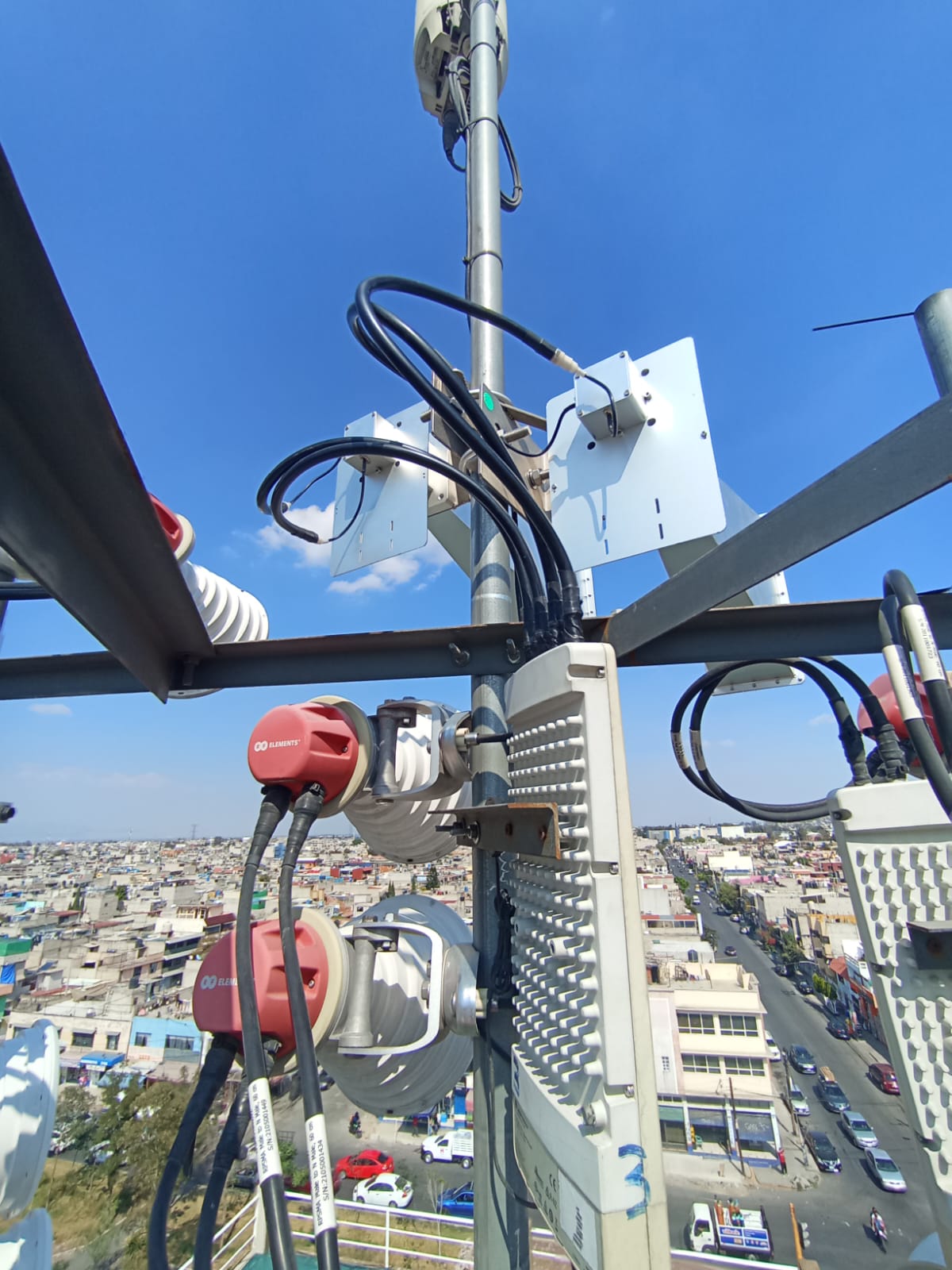
Siglo has grown to more than 10,000 subscribers since 2020. To see whether it would be possible to provide better service to their subscribers, Siglo recently tested Cyber Antennas’ new A20 horns with a 4x4 ePMP 3000 access point and 49 connected stations. On average, they found that Cyber Antennas’ A20 horns delivered twice the downlink received signal (+2.9 dBm) and twice the downlink signal-to-noise ratio (+3.0 dB) compared with two RF Elements HG3-CC-S30 symmetrical 30° horns.
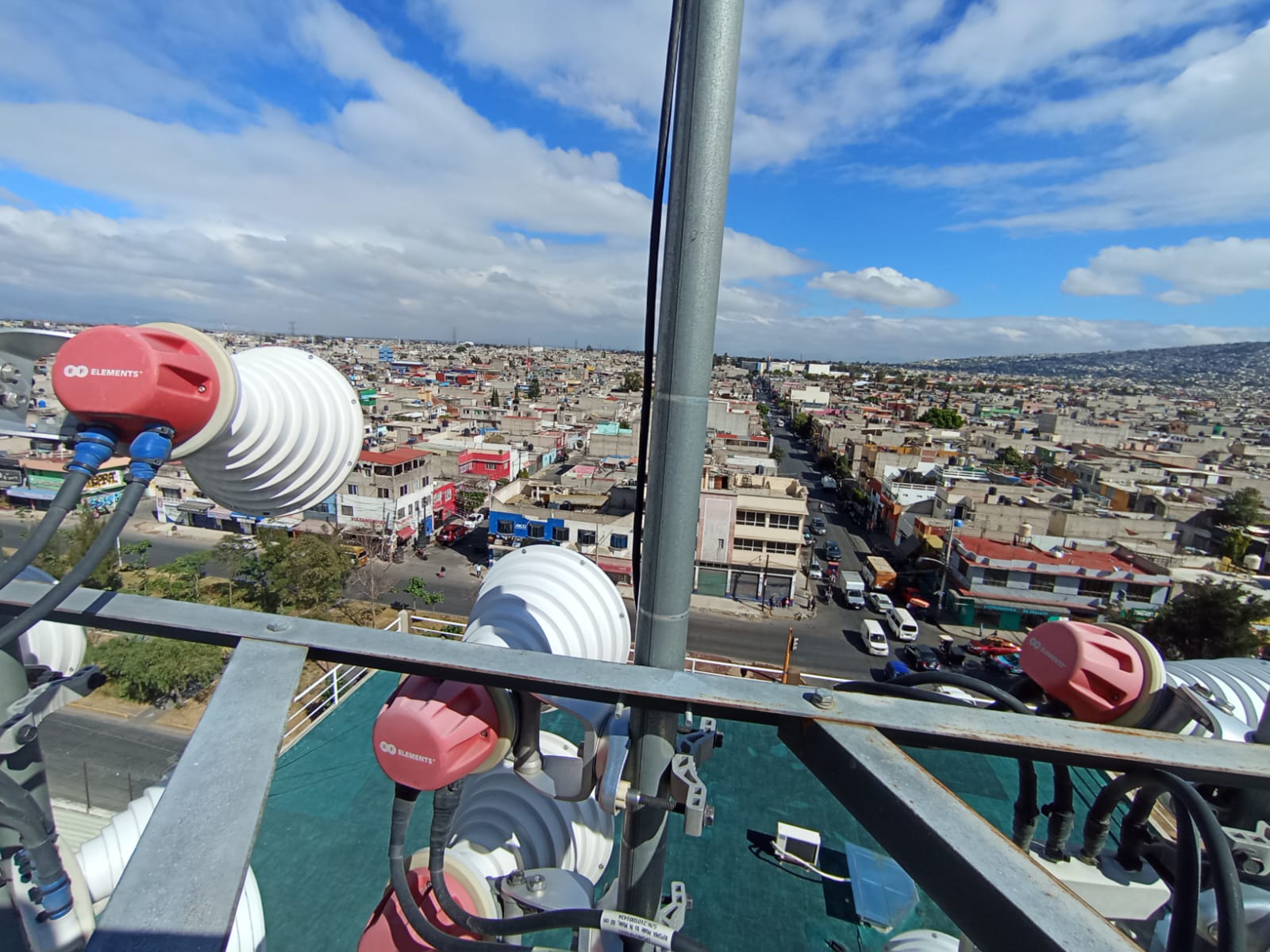
The RFE 30° horns were the original antennas, and the clients were installed and aligned to them. The only change the WISP made was upgrading from the RFE horns to the Cyber Antennas horns, which doubled the downlink received signal and downlink SNR.
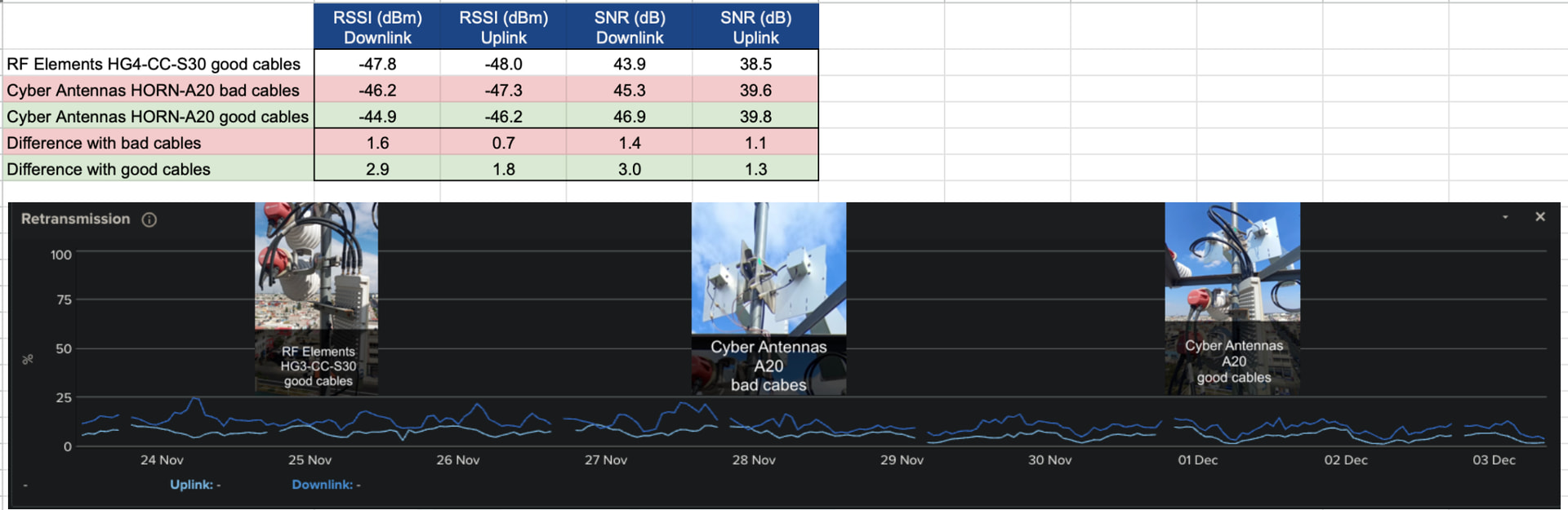
A retransmission occurs when a radio is unable to receive a signal because of noise or interference, and the signal must be sent again. Retransmissions are a key indicator of wireless link quality. On average across all stations, peak retransmission rates dropped by more than 50%. For the first time, off-peak retransmission rates approached zero.
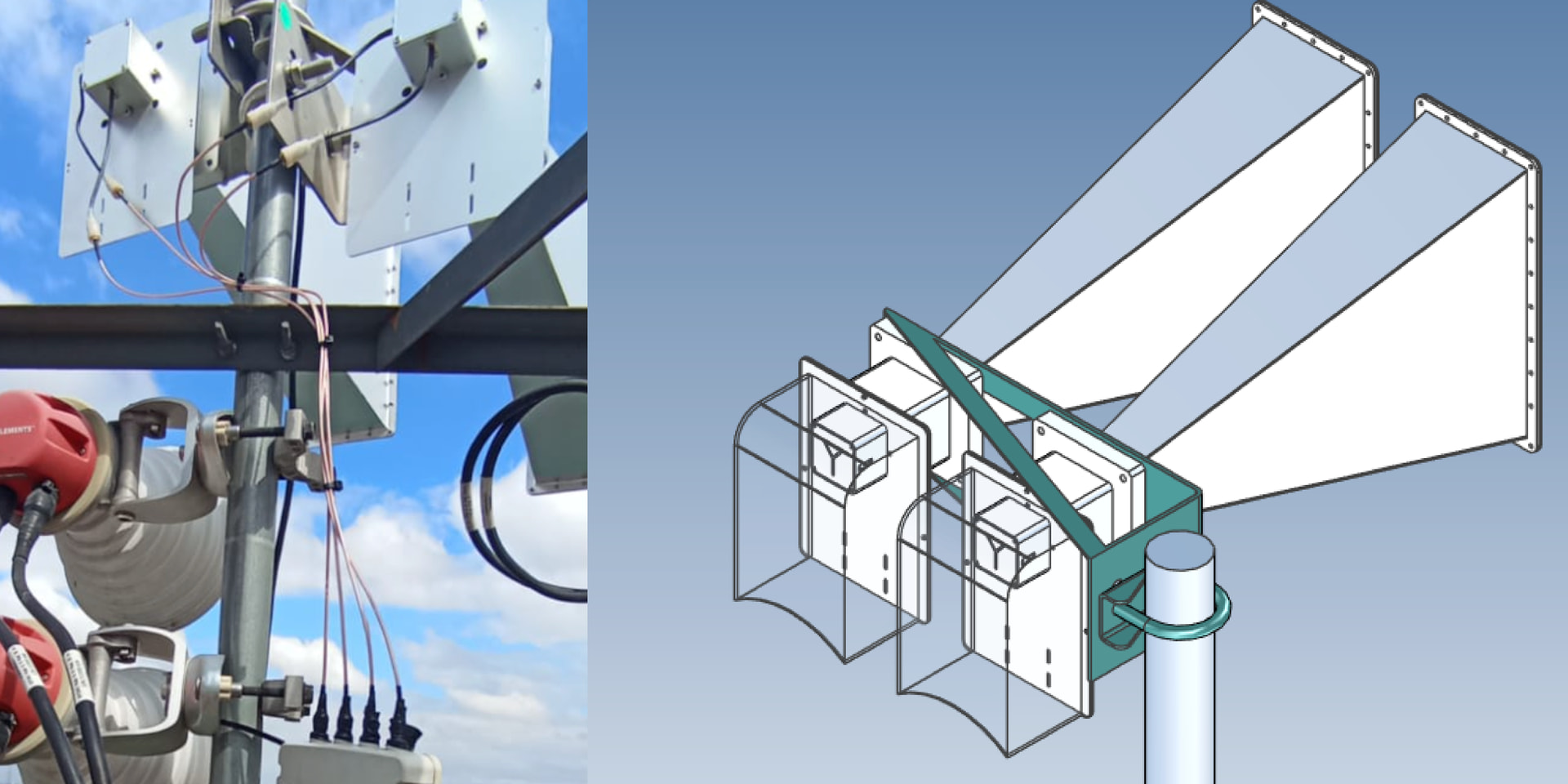
Initially, we had a challenge with our pigtail cables being too short and RP-SMA extension cables being difficult to source, but even with poor cables, Cyber Antennas offered a significant improvement over RF Elements. For our production antennas, we are using RP-SMA bulkhead connectors and including RF jumper cables. We also designed a double-horn bracket for the Cambium ePMP 3000 radio.
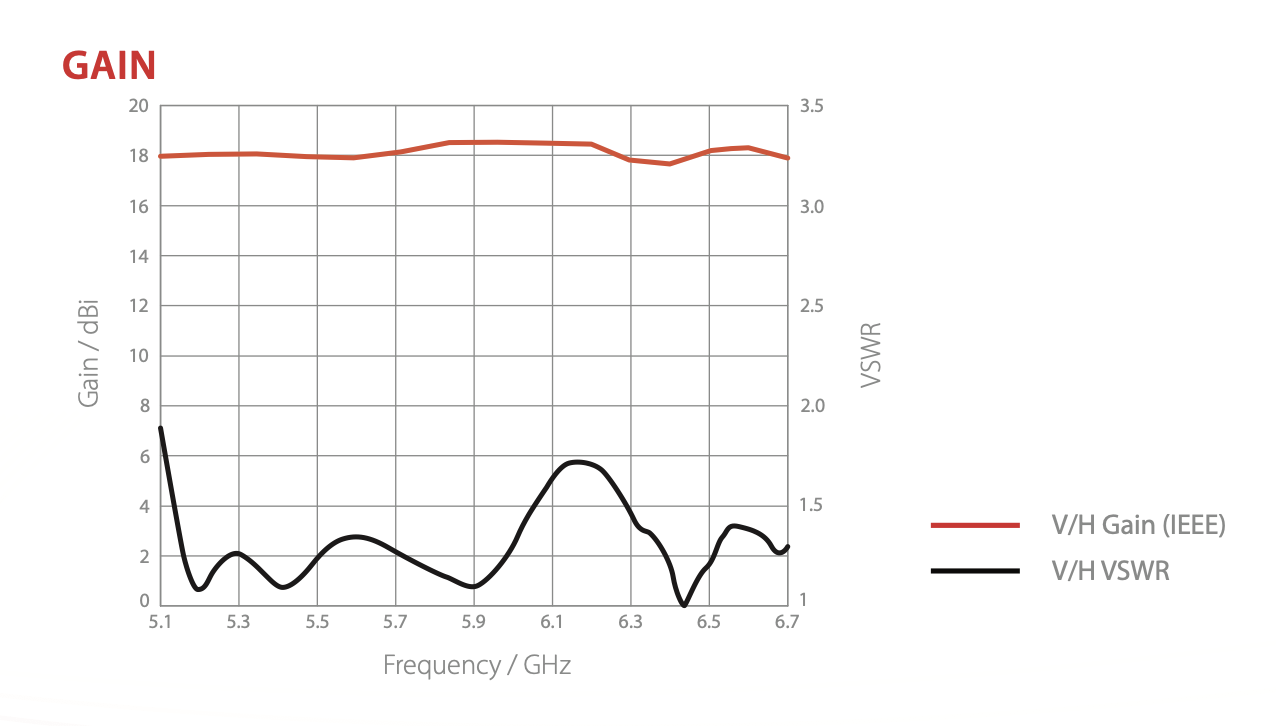
Twice the gain typically means twice the antenna size, but not in this case. The gain improvements are achieved through improved antenna efficiency. RF Elements claims the HG3-CC-S30 has 18 dBi gain at 5.3 GHz. The Cyber Antennas A20 has 18 dBi horizontal gain and 19 dBi vertical gain at 5.3 GHz.
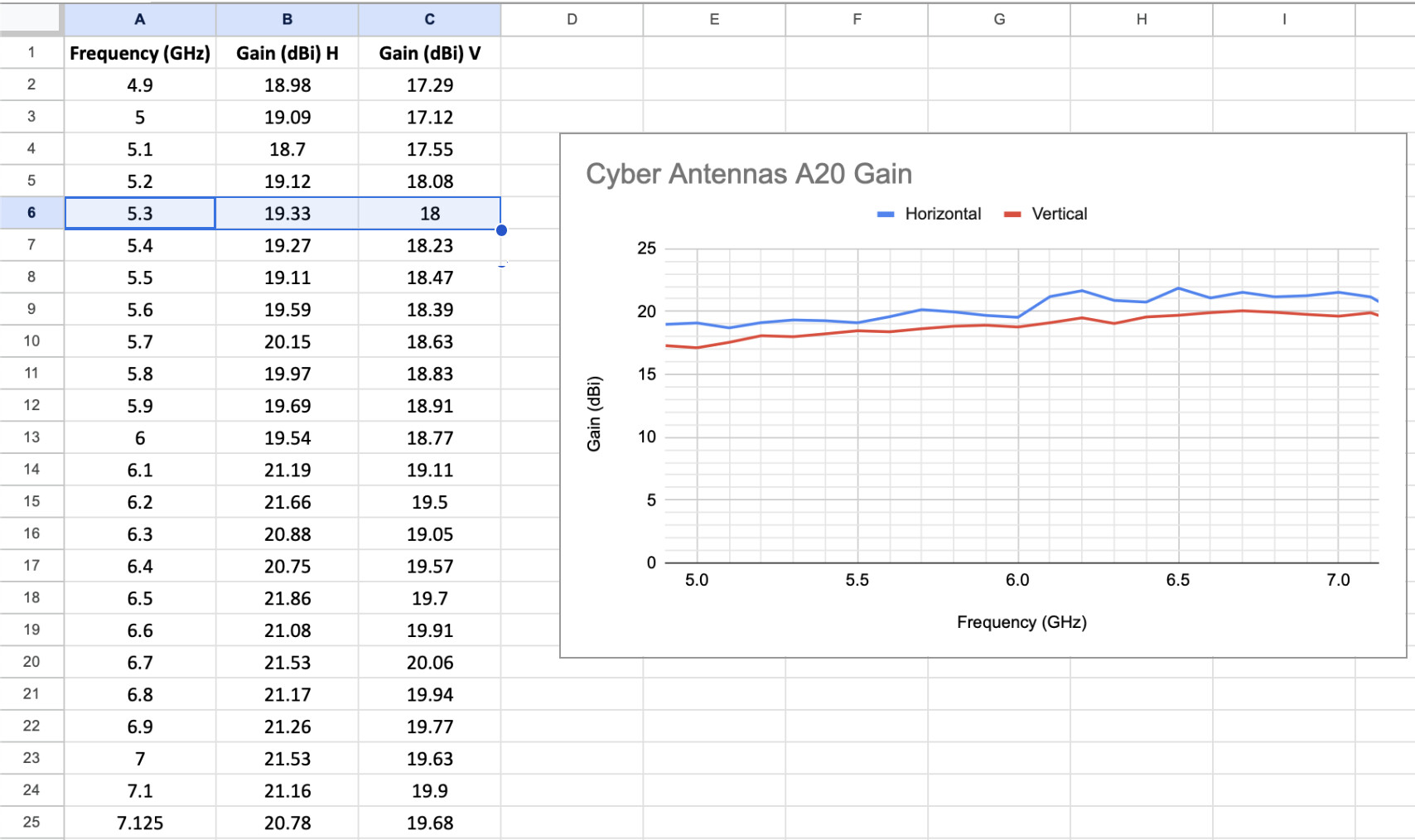
The gain improvements are not from narrowing the azimuth beam width to focus the beam, because the stations were originally installed to the RF Elements antennas and were already within the intended coverage area. If the Cyber Antennas A20 had a narrower azimuth beam width then the stations at the edges would have worse signal.
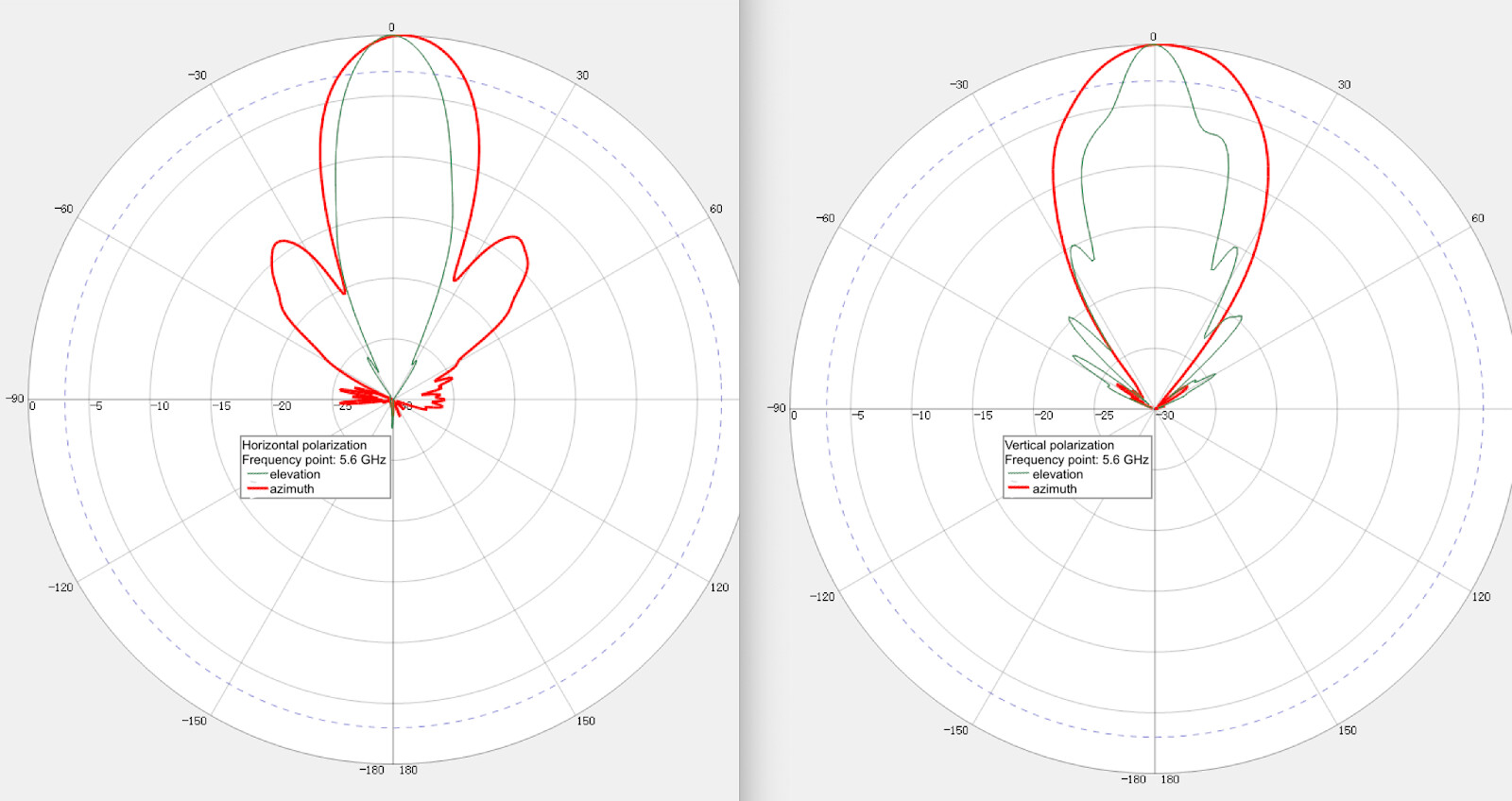
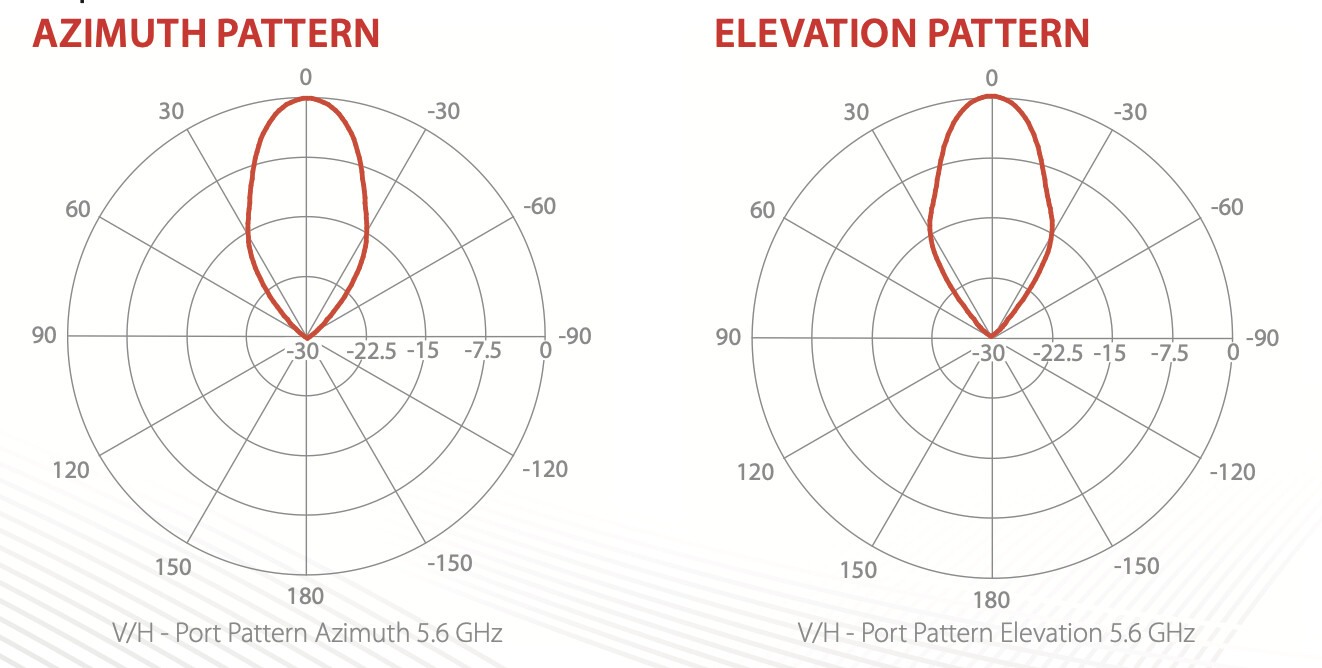
Cyber Antennas A20 is an asymmetrical horn and the RF Elements HG3-CC-S30 is a symmetrical horn. Narrowing the elevation beam width with the asymmetrical horn design likely contributed to the Cyber Antennas horn delivering double the downlink signal versus the RF Elements horn, but it is not the whole story. Our two 60° asymmetrical horns achieved similar results compared with RF Elements’ 60° asymmetrical horns with comparable asymmetrical horn designs.
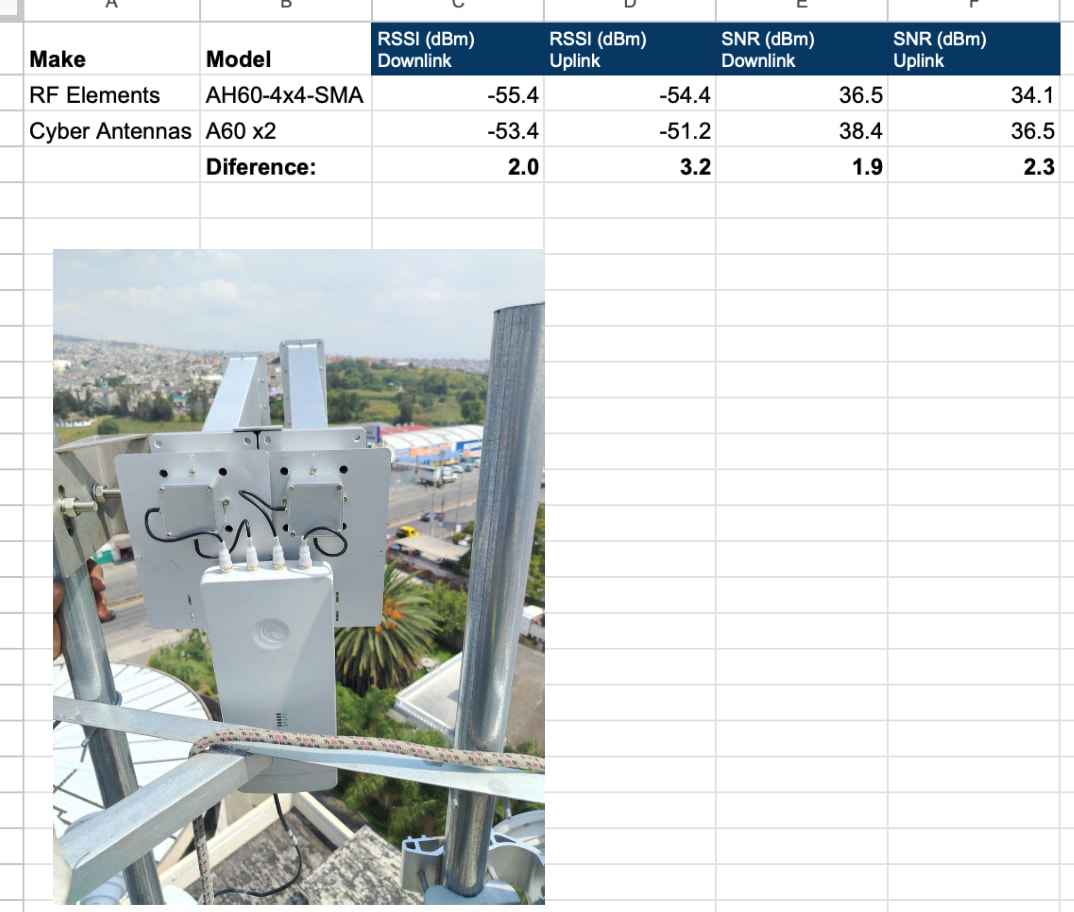
Cyber Antennas massively out-perform RF Elements in fair before-and-after comparisons. We fully overlapped the coverage using similar beam width sector horn antennas, used the same radio, and did not change the radio settings at 5.3 GHz and 20 MHz channel, tested in the middle of the existing RFE horn’s supported frequency range, and serving a sector with clients that were originally installed to the RF Elements antennas.
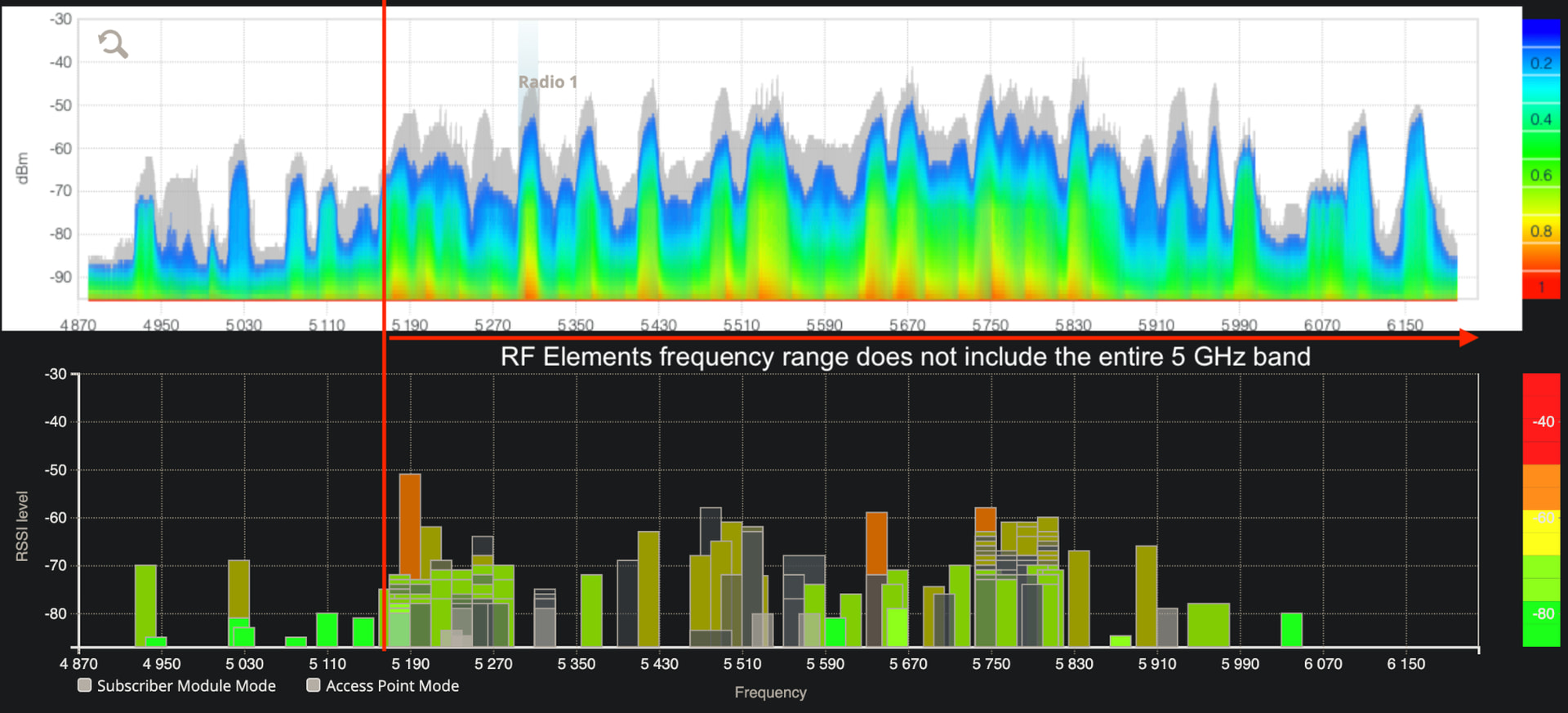
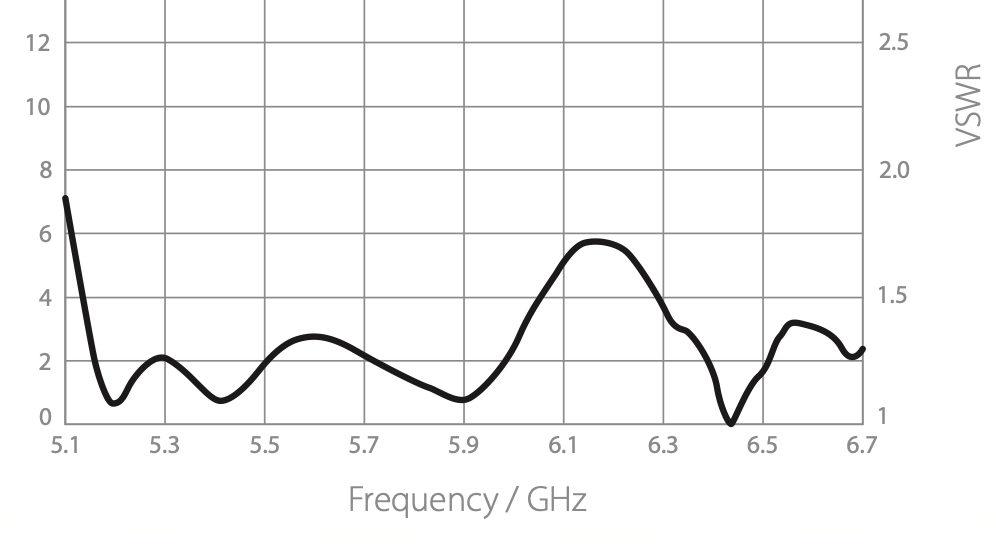
This is an international WISP, and the Cambium ePMP 3000 radios support down to 4.9 GHz, but RF Elements only supports down to 5.18 GHz, not even the entire 5 GHz band. We could have easily skewed this test by operating below RF Elements’ supported frequency range, because many WISPs, including this one, use RF Elements antennas below 5.18 GHz. RF Elements claims their antennas are “5 GHz” and WISPs are right to assume that a “5 GHz” antenna should support the entire 5 GHz band. We believe it is not professional to represent frequency ranges on product pages, datasheets, and marketing materials that don’t reflect the actual supported frequency range of the antennas.
6 GHz was supposed to mark the start of a new golden age for WISPs. Instead, the WISP industry is suffering from a lack of investment, inventory shortages, distribution problems, and proprietary lock-ins, while facing unprecedented competition from alternative technologies.
While you might expect an antenna that delivers twice the signal to cost twice as much, we want to support WISPs by making it affordable to upgrade existing antennas and take networks to the next level. That is why we are releasing these high-performance wideband horns at disruptive prices. These horns deliver considerably more value than our competitors’ antennas and could be priced higher, but we are pricing them at half the cost of competing products because we want WISPs to be able to afford upgrading their existing antennas.
To deliver truly high-performance antennas to the WISP industry, antennas that actually perform as promised, we had to overcome a tremendous amount of adversity from our competitors and their supporters. Our competitors and their followers flag our posts here and in other communities because they don’t want WISPs to have access to alternatives. They want us to fail so you will be forced to buy their antennas. If you want to see the WISP industry thrive again, please support our antenna startup.
- We are making a substantial investment in the WISP industry.
- We are supporting WISPs with very fair pricing.
- We are shipping our antennas worldwide so you can get them even if there is no local distributor willing to take a risk or invest in new WISP products.
- We market our products honestly.
- We educate WISPs about how antennas actually work.
- We are transparent and work publicly.
- We understand the WISP industry and the products WISPs need.
- We believe in open and honest conversation, fair enforcement of the rules, and a free market where vendors compete fairly.
If these are things you value, please support us. Follow us on social media, try our products, and share your experience in the WISP communities. Thank you very much!